
I didn’t have a name or a label for it when I was living inside it.
I just knew that somehow, in almost every interaction with my narcissistic ex, I ended up feeling like I was the problem.
Like I’d done something wrong, like I needed to be better, try harder, explain myself more clearly.
It took me years, and honestly a lot of conversations with people who’d been through the same thing, to understand what was actually happening.
There’s one core mechanism that sits underneath almost everything a narcissist does.
One tool, let’s say, they reach for constantly, sometimes consciously, sometimes not, that keeps the people around them confused, compliant, and emotionally dependent.
Once you see it, you can’t unsee it.
And once you understand it, a lot of things that never made sense suddenly will.
Why listen to me? I’m Sira Mas and I’m a relationship coach. I write about self-improvement, love, dating and psychology. My work has been featured on large publications such as Mamamia, Plenty of Fish, Ladders, Entrepreneur and Thrive Global.
So What Is It?
It’s simple. They’re warm and loving one day, cold and distant the next.
Affectionate in the morning, critical by evening.
Present and attentive for a week, then suddenly withdrawn for a couple of weeks for no reason…
There’s no pattern you can predict. No rule you can follow to keep things consistently good.
And that unpredictability is the whole point.
It’s what therapists call intermittent reinforcement.
What makes this dynamic so dangerous is this: when rewards, love, warmth, approval, come randomly rather than consistently, we don’t pull away. We actually become more attached. More addicted.
So we work harder to get back to the good version, we start organizing our behavior around whatever we think might bring the warmth back.
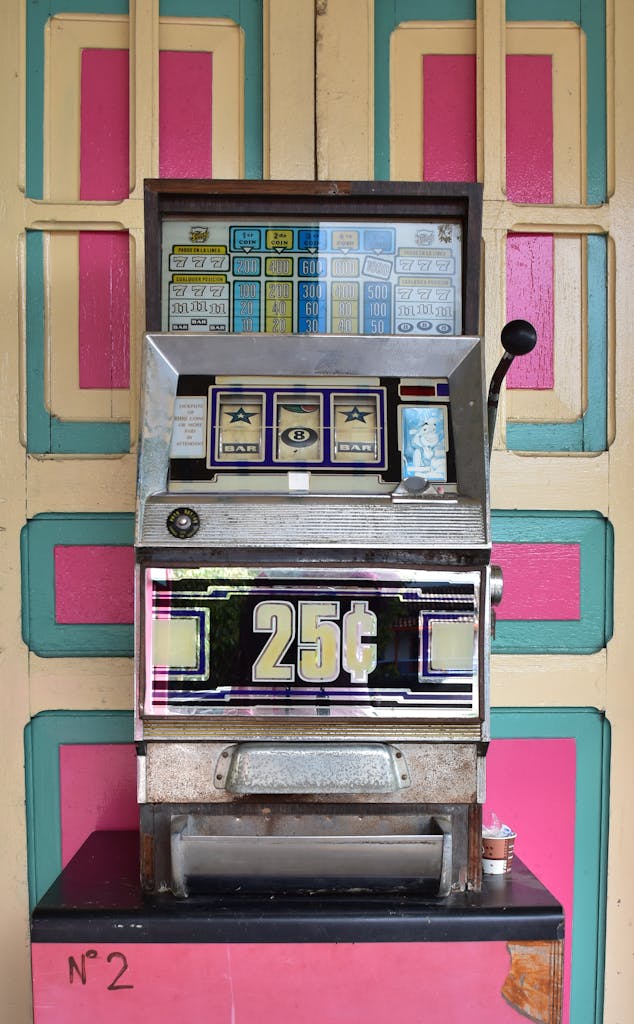
It’s the same psychology behind slot machines. You don’t keep pulling the lever because you always win. You keep pulling it because sometimes you do…and many other times you don’t.
And that randomness is what keeps you hooked.
Narcissists do this with love.
What It Looks Like (With Examples)

When I met him, my narcissistic ex was the cutest, most loving person I’d ever met…until he wasn’t.
Sounds familiar?
And the switch was never predictable.
I’d meet him after a good day and the whole atmosphere would be cold without explanation. I’d ask what was wrong and get “nothing” with a tone that meant everything.
So I’d spend the rest of the evening trying to fix something I couldn’t name, walking on eggshells, adjusting my mood to match his, waiting for the warmth to come back.
And when it did come back? It felt like sunshine after a week of rain. I’d feel relief. Like that version of him was the real one and everything else was just a rough patch.
That’s exactly how it’s designed to work. The repair feels so good that it makes you forget, temporarily, that you shouldn’t have needed to repair anything in the first place.
Once you know what to look for, you start seeing it everywhere. Here are some of the most common ways intermittent reinforcement plays out with a narcissist:
- They’re affectionate and attentive for days, then suddenly cold and distant with no explanation
- They give you a genuine compliment and then follow it with a subtle criticism that basically cancels it out
- They’re the perfect partner in public but completely checked out the moment you’re alone
- They apologize sincerely after an argument, make you feel close again, then repeat the same behavior after a couple of days
- They make you feel like the most important person in the room, then ignore you completely at the next gathering
- They’re warm and responsive over text all morning, then go silent for hours with no reason given
- They celebrate your achievement one day and make a dismissive comment about it the next
- They pull you close when you start to pull away, then withdraw again the moment they feel secure
None of these moments feel like control while they’re happening.
They just feel like a relationship with a lot of highs and lows. A passionate one. A complicated one. One that takes work.
But it’s not how it should be. A healthy relationship doesn’t feel so exhausting.


Why It’s So Hard to Leave
This is the part that people outside these relationships often don’t understand.
“Why didn’t you just leave?”
“Why did you keep going back?”
Because intermittent reinforcement doesn’t feel like abuse. It feels like hope. Every good moment is evidence that things can be good.
Every warm day is proof that the cold ones aren’t the full story. You’re not staying because you’re weak or stupid, but because your brain is chemically hooked on a cycle that was designed, consciously or not, to keep you exactly where you are.
Many of my past clients who’ve been through this often describe the relationship as the most intense of their lives.
More vivid, more consuming, more all-encompassing than anything before or after. That intensity they described is the direct result of a nervous system that’s been kept in a constant cycle of uncertainty, anxiety and relief.
Understanding that doesn’t erase what happened. But it does mean you can stop blaming yourself for not walking away sooner.
Final Thoughts
This doesn’t only happen in romantic relationships. Intermittent reinforcement is at the core of almost every toxic dynamic a narcissist creates, with partners, yes, but also with friends, family members, and colleagues. The context changes.
The mechanism stays exactly the same.
And it’s the reason why you stayed longer than you planned to. It’s why you went back more than once. It’s why the good memories feel so vivid even now, and why part of you might still be waiting for that version of them to come back permanently.
They won’t. That version was never the full picture. It was the lever being pulled just often enough to keep you right there where they wanted you.
You’re allowed to walk away from the machine. And knowing why it was so hard to leave is the beginning of understanding yourself again.