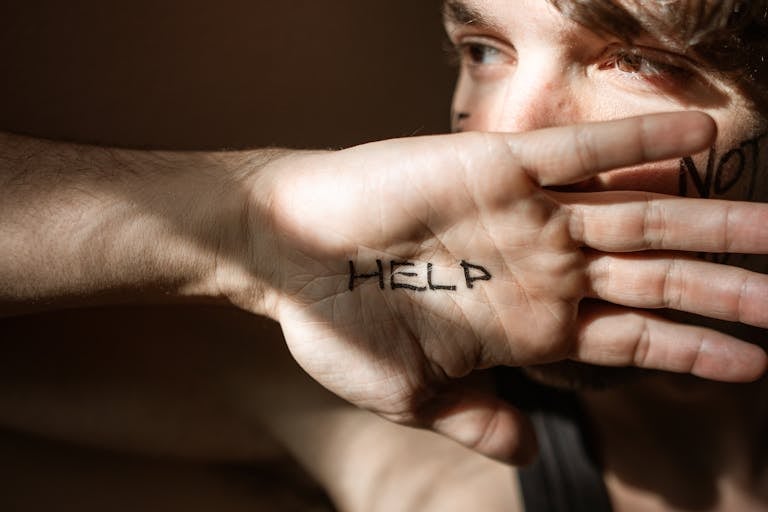
10 Typical Behaviors of “Kind” People With Dark Motives

If there’s one big life lesson I’ve learned over the last two decades, it’s that not everyone who seems kind has good intentions.
Some people use “niceness” as a mask, a way to get close, earn your trust, and control how others see them.
At first, they seem flawless: caring, supportive, endlessly understanding. But over time, their true colors start to bleed through the mask.
The same person who once praised you begins to compete with you, manipulate you, or make you doubt your own perception.
That kind of “nice” isn’t real kindness...it’s performance. And once you recognize the signs, you’ll never fall for it again.
Here are the behaviors I’ve seen most often in people who hide dark motives behind a friendly smile.
Why listen to me? I'm Sira Mas and I'm a relationship coach. I write about self-improvement, love, dating and psychology. My work has been featured on large publications such as Mamamia, Plenty of Fish, Ladders, Entrepreneur and Thrive Global.
1. They Seem Too Good to Be True
At first, everything about them feels perfect. They’re generous, constantly compliment you, and seem to agree with everything you say.
They shower you with support, praise, and that kind of warmth that feels flattering, almost intoxicating. But that’s the point. This type of “niceness” isn’t real kindness.
They’re love-bombing you to gain trust and access. Real kindness doesn’t need to impress or overwhelm you, it feels genuine.
I don’t know about you, but my simple takeaway from this is that if their niceness feels performative or comes too fast, you’re simply watching the first layer of manipulation.
2. They’re Nice to Everyone All the Time
Being kind is good. But being too kind, to everyone, at every moment, can be a red flag. A big one IMO.
And trust me, this is not just my opinion, I’m telling you these from experience.
People with dark motives often keep their image spotless. Man they’re good at that!
They’ll compliment strangers, act overly humble, and make sure everyone sees them as “the nicest person ever.”
Their charm is a shield that keeps people from suspecting anything. Watch how they act when nobody’s watching.
3. They’re Double-Faced
You’ll notice how their tone or attitude changes depending on who’s around.
In public, they’re sweet, attentive, and generous. In private, they can become cold, dismissive, or even cruel.
This duality is one of the clearest signs of someone who simply isn’t authentic. They need people to see them as wonderful so that when someone exposes their true behavior, they can say, “That’s not true, everyone knows I’m the kindest person on Earth.”
It’s a calculated setup. They control perception while undermining you behind the scenes.
4. The Mask Fades But Only With You
After a while, you start to see small cracks in their perfect image. They might make a cutting comment, get irritated when you set a boundary, or suddenly withdraw affection.
This is when their mask starts to slip, but only around you. Because you’re close enough to see their real self, they no longer need to perform.
To others, they’re still that “amazing person,” which isolates you even more. It’s one of the most confusing experiences: knowing the truth but being the only one who sees it.
5. They Gaslight When Confronted
When you finally bring up their behavior, they’ll twist the story so well that you’ll question yourself.
“You’re overreacting.” “I was just trying to help.” “Wow, I didn’t expect you to think that of me.” That’s gaslighting 101.
They use your empathy against you and make you feel guilty for standing up for yourself. The more you explain, the more they’ll spin it to look the victim.
6. They Play the Victim When Exposed
...And this goes hand in hand with the previous point.
If their mask ever cracks publicly, they’ll quickly shift roles, from manipulator to victim. Suddenly, you become the cruel one, the “ungrateful” person who misunderstood their good intentions.
They might cry, apologize dramatically, or tell others how deeply you’ve hurt them. They'll block you and start the eternal silent treatment.
It’s emotional theater designed to win sympathy and control the narrative.
People with dark motives thrive on pity. It’s their last weapon when charm no longer works.
7. Their “Help” Always Comes With Strings Attached
They’ll offer assistance, favors, or advice...but there’s always a hidden cost.
Maybe it’s guilt, emotional debt, or leverage to use later.
They make you feel like you owe them something, even if you never asked for their help. True kindness doesn’t demand repayment.
But manipulative kindness builds quiet obligation, so that later, when they need something, they can say, “After everything I’ve done for you…” and you’ll feel pressured to comply.
8. They Subtly Compete With You
They’ll cheer for your success...on the surface. But pay attention.
Their compliments often have an undertone: “I’m so proud of you, even though I’d never do it that way” or “I’m so proud of you, in the end you've learned from the best (me)."
They may “joke” about your achievements or downplay them while pretending to be supportive.
They need to look kind, but deep down, they want to stay one step ahead.
Their niceness hides envy and insecurity. Real friends celebrate you without needing to minimize your light.
9. They Gossip But Disguise It as Concern
One of their favorite tactics is to bad-mouth others under the pretense of “worry.” They’ll say things like, “I just feel bad for her… she’s really struggling lately,” or “I’m only telling you this because I care.”
But notice how their “caring” always damages someone’s reputation while making them look empathetic. It’s disguised cruelty, judgment served with a smile.
Real empathy protects people’s dignity. Fake empathy uses their pain as social currency.
10. Their Energy Feels Draining, Not Safe
No matter how “nice” they act, being around them eventually feels exhausting. You’ll leave conversations questioning yourself, feeling guilty, or slightly anxious.
That’s because your intuition is picking up the disconnect between their words and their true energy. Genuine kindness feels grounding and peaceful.
Fake kindness feels off: too much, too fast, too polished. When your gut tells you something doesn’t match, trust it. Not every smiling face has good intentions.
How to Deal With These People
Limit Their Access to Your Inner World
People with hidden motives thrive on information. The more they know about your insecurities, dreams, relationships, or struggles, the more power they have to manipulate.
You don’t need to cut them off immediately, but you do need to stop feeding them emotional material. Keep conversations light, brief, and neutral.
Share only what you’re comfortable seeing twisted or used against you later. Emotional distance is the first layer of protection.
Trust Patterns, Not Promises or Apologies
These individuals are masters of saying what you want to hear. They’ll promise things that are too good to be true.
They’ll apologize beautifully, explain themselves convincingly, and promise change with perfect sincerity.
Don’t be fooled by words, look at what they consistently do.
If their behavior contradicts their kindness, believe the behavior. When you shift from analyzing their explanations to observing their patterns, you stop giving them the benefit of the doubt they haven’t earned.
Set Boundaries Without Over-Explaining
They rely on your guilt, empathy, and desire to avoid conflict. That’s why boundaries feel so difficult with them. But the truth is, you don’t owe lengthy explanations or emotional justifications for protecting your peace.
A simple “I can’t today,” “That doesn’t work for me,” or “I need space” is enough. The more you explain, the more they twist. Boundaries don’t need to be dramatic, they need to be firm, calm, and final.
Don’t Get Pulled Into Their Stories
When you confront them or even gently point out an issue, they’ll quickly shift into victim mode or emotional theater. They’ll cry, deflect, blame, or try to make you feel cruel for setting limits.
Don’t fall for it. You’re not responsible for managing the emotions they perform to avoid accountability. Stay grounded in your truth.
Detach Emotionally
One of the healthiest ways to deal with them is to stop expecting empathy, honesty, or consistency.
When you stop hoping they’ll become the person they pretended to be, their power over you weakens instantly. You see them for what they are, not what they presented.
Emotional detachment is your best defense.
Stop Trying to Prove Yourself
…It’s useless.
These people are experts at making you feel misunderstood, wrong, or “too sensitive.” So you find yourself explaining, clarifying, defending, proving your intentions over and over again.
That cycle ends now. You can’t win a fair debate with someone who twists reality (on purpose).
You don’t need to convince them. You don’t need their validation. Stepping out of the performance is how you take your power back.
Prepare for Pushback When You Pull Away
When you start setting boundaries or distancing yourself, they may become even “nicer,” more attentive, or strangely interested in your life again.
They feel their control slipping and want to re-establish it. Don’t mistake their warmth for sincerity. Expect resistance.
Stay focused on how their behavior felt long before you created distance.
Choose Distance
The safest and most effective way to deal with people who hide dark motives is to slowly and quietly remove yourself from their emotional reach.
You don’t need a confrontation or a grand exit. You simply step back: fewer texts, fewer favors, fewer conversations, fewer opportunities for them to influence your mind or your emotions.
Distance protects your peace in ways confrontation never will.
And if you’re wondering whether you’re being “too harsh,” remember this: you are not walking away from a genuinely kind person. You’re walking away from someone who built a mask to get close, only to undermine you behind it.
Protecting your boundaries is simply self-care.
Closing Thoughts
The truth is, people with dark motives rarely look dangerous at first. They blend in by being charming, helpful, and endlessly “nice.” That’s what makes them so disarming.
But once you’ve seen the pattern, you can’t unsee it. Real kindness doesn’t manipulate, compete, or drain you. And I'm pretty sure you already know that.
So when someone’s behavior feels off, even if their words sound perfect, trust that feeling.
Protect your peace.
You don’t owe anyone endless chances just because they smile. Recognizing fake kindness isn’t cynicism, it’s self-respect.