7 Ways Narcissists Ruin Thanksgiving (And the Smartest Ways to Respond)

Thanksgiving is supposed to be a time to enjoy good food, reconnect with loved ones and appreciate the good things in your life. Right?
The thing is when there's a narcissist in the family, even a simple holiday dinner can become exhausting.
You find yourself carefully choosing your words, anticipating uncomfortable comments, and hoping nobody brings up a sensitive topic.
And somehow, by the end of the day, you're either dealing with drama, feeling guilty, or questioning something you said.
Good news is recognizing these behaviors in advance can help you prepare for them and respond like a pro.
Here are a few ways narcissists ruin Thanksgiving and the smartest ways to protect your peace without letting their behavior ruin your holiday.
1. They make passive-aggressive comments disguised as jokes
You're sitting at the dinner table, enjoying a conversation, when the narcissist suddenly makes a humiliating comment about your appearance, friend circle, career, or any other personal choice.
And when you look uncomfortable, they immediately respond with something like: "Relax, I'm just joking!"
This obviously puts you in an uncomfortable position.
If you defend yourself, they accuse you of being too sensitive, but if you laugh along, you're accepting a level of disrespect that makes you uncomfortable.
The smartest way to respond:
Calmly ask, "What exactly is funny about that?"
Then give them a moment to answer.
This simple question puts the responsibility back on them to explain their inappropriate comment instead of making you defend your reaction.
If they accuse you of being sensitive, simply say, "I don't find personal insults funny," and return to your conversation.
You don't need to laugh at your own expense to keep everyone else comfortable.
2. They deliberately bring up sensitive topics at the dinner table
A narcissistic who knows your insecurities can use a Thanksgiving lunch or dinner as an opportunity to put you in an uncomfortable position.
So for example, they may bring up your financial difficulties, mention a painful breakup, or question your parenting decisions in front of everyone.
And because you're surrounded by family members or close friends, you feel pressured to answer questions you would normally refuse to discuss.
The smartest way to respond:
Prepare a few short responses before attending the gathering.
For example, "That's something I prefer to keep private," or "I'm here to enjoy Thanksgiving, and I'd rather talk about something else."
If they continue asking questions, repeat your response without offering additional explanations.
Remember that being related to someone doesn't give them unlimited access to your personal life.
You have every right to decide what you share, regardless of how curious or persistent someone becomes.
3. They create unnecessary drama when someone else receives attention
Perhaps a family member announces a pregnancy, shares exciting career news, or receives compliments for preparing a wonderful Thanksgiving dinner.
Instead of celebrating with everyone else, the narcissist suddenly becomes irritated, dismissive, or unusually critical.
They interrupt the conversation, bring up an unrelated grievance, or make a comment that changes the entire atmosphere.
And before long, everyone is trying to manage their mood instead of enjoying the occasion.
The smartest way to respond:
Resist the urge to make their emotional state your responsibility.
If they try to redirect the conversation toward an unnecessary conflict, you can say, "We can discuss that another time. Right now, we're celebrating something wonderful."
Then continue engaging with the people who were enjoying the conversation.
You don't have to abandon a happy moment simply because someone else is unhappy about not being the center of attention.
4. They use guilt to make you feel obligated to meet their demands
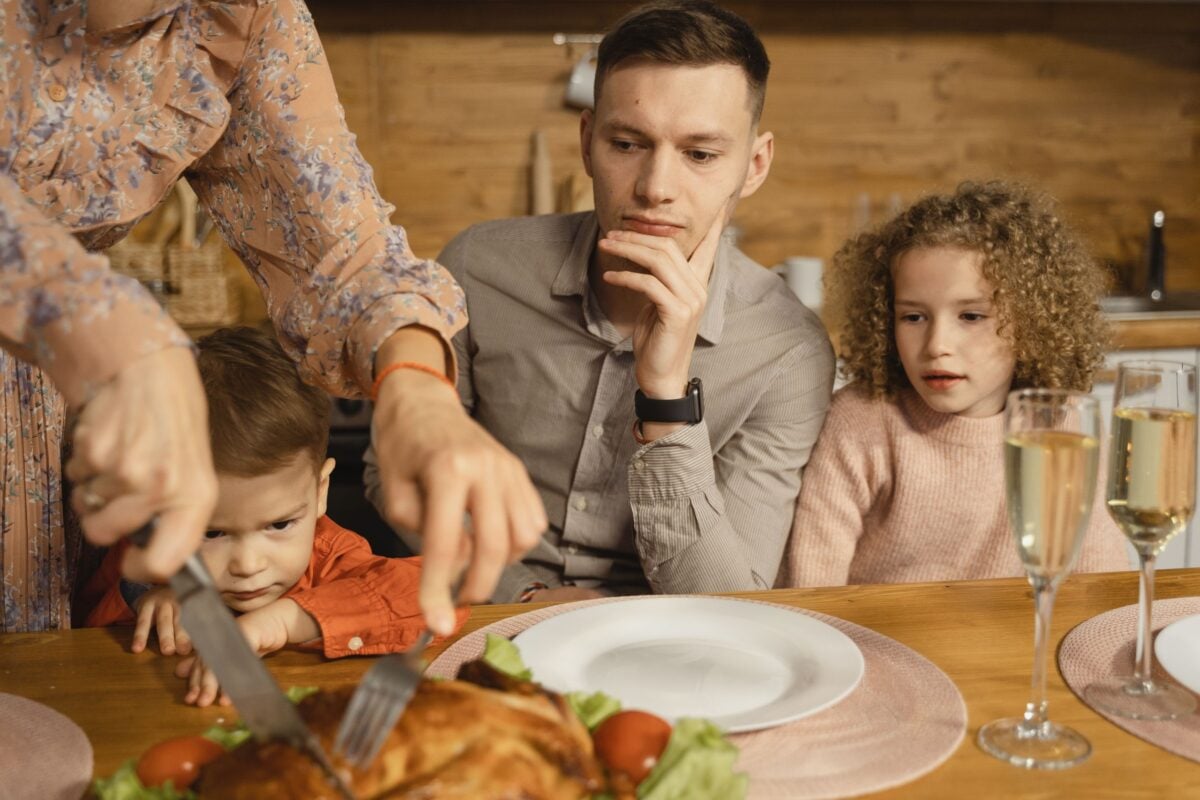
Thanksgiving provides plenty of opportunities for a narcissist to use family obligations against you.
So for example they'll criticize you for arriving late, complain that you're spending too much time with your friends, or accuse you of being selfish because you aren't staying as long as they expected.
You hear things like, "After everything I've done for you, this is how you treat me?" or "I guess your family just isn't important to you anymore."
And suddenly, a perfectly reasonable decision becomes something you feel guilty about.
The smartest way to respond:
Acknowledge their disappointment without changing your plans simply to please them.
You could say, "I understand you wanted me to stay longer, but I've already made other arrangements."
Avoid providing a lengthy explanation that gives them more opportunities to challenge your decision.
You can love your family, appreciate them, and still have commitments, preferences, and boundaries of your own.
5. They criticize everything you've done to make the holiday special
Perhaps you've spent hours preparing Thanksgiving dinner, decorating home, buying groceries, and making sure everyone feels welcome.
Yet instead of appreciating your efforts, the narcissist finds something to criticize...because they always do, right?
The turkey is too dry, the house isn't clean enough, the decorations are disappointing, or someone else apparently hosted a much better Thanksgiving last year.
And because you've invested so much time and energy into the celebration, their criticism feels particularly hurtful.
The smartest way to respond:
Don't start apologizing or rushing around trying to earn their approval.
A simple response such as, "Well, honestly I'm happy with how everything turned out," communicates confidence without creating unnecessary conflict.
Then focus your attention on the guests who appreciate your efforts.
One person's determination to find something wrong doesn't erase everything you've done right.
6. They provoke you and then blame you for ruining Thanksgiving
This is one of the most damaging patterns you can experience during a family gathering.
The narcissist spends the afternoon making subtle digs, dismissing your feelings, challenging your boundaries, or bringing up old conflicts.
Eventually, you become frustrated and respond more emotionally than you intended.
And that's when they suddenly act shocked by your behavior.
Then they tell everyone you're being aggressive, dramatic, or impossible to be around, conveniently ignoring everything that happened before your reaction.
The smartest way to respond:
I know this is hard, but try to recognize when a conversation is becoming deliberately provocative and disengage before reaching your breaking point.
You can calmly say, "I'm not interested in arguing today," and excuse yourself.
Go outside, help someone in the kitchen, or spend time with another relative or friend.
And if the disrespect continues, give yourself permission to leave when it's safe to do so.
7. They use the spirit of Thanksgiving to pressure you into forgiving them
Because Thanksgiving is associated with gratitude, family, and togetherness, a narcissist can use the occasion to pressure you into overlooking past abuse.
They insist that it's time to forget what happened, accuse you of holding grudges, or recruit other family members to convince you to reconcile.
You hear things like, "It's Thanksgiving. Can't we just put everything behind us?" or "Life is too short to stay angry with your family."
Yet there's been no genuine apology, accountability, or meaningful change in their behavior.
The smartest way to respond:
Make it clear that attending a Thanksgiving dinner doesn't mean you're abandoning your boundaries.
You could say, "I'm happy to enjoy Thanksgiving together, but that doesn't mean everything between us has been resolved."
And if you've chosen not to attend because of previous abuse, you don't need to reconsider simply because it's a holiday.
Forgiveness is a personal decision, and reconciliation requires more than a special occasion.
Final thoughts
If you're spending Thanksgiving with a narcissistic partner, family member, or even friend, I encourage you to approach the day with realistic expectations.
You don't need to assume that everything will go wrong, but you also don't need to ignore years of experience and hope that someone will suddenly behave differently because it's a holiday.
Before attending, decide which topics you're unwilling to discuss, how long you want to stay, and what you'll do if someone repeatedly disrespects your boundaries.
If possible, arrange your own transportation so that you don't have to depend on anyone else when you're ready to leave.
And if there's someone you trust at the gathering, spend more time with that person.
Most importantly, don't put yourself under unnecessary pressure to create a perfect Thanksgiving.
You aren't responsible for managing everyone's emotions, resolving old family conflicts, or making sure the narcissist feels sufficiently important.
And you certainly don't have to tolerate humiliation, manipulation, or emotional abuse in the name of keeping the family together.
If spending Thanksgiving away from certain relatives is the healthiest and safest decision for you, give yourself permission to make that choice without guilt.
You can create your own traditions, celebrate with people who genuinely care about you, and enjoy the holiday without constantly worrying about someone's next comment or emotional outburst.
After everything you've been through, you deserve a Thanksgiving filled with warmth, genuine affection, laughter, and peace.
More Toxic Relationships
- What Psalm 37 Says About the Narcissist Who Seems to Be Winning After Breaking You
- According to Scripture, This Is How God Exposes the Narcissist Who Convinced Everyone You Were Crazy
- 11 Ways God Humbles the Narcissist Who Abused You and Ruined Your Life
- Why Do Narcissists Seem Blessed While Their Victims Suffer?