
The 10 Most Effective Strategies to Deal with Narcissists and Master Manipulators

Some people seem incredibly skilled at distorting the truth, crossing your boundaries, and making you question your own judgment.
I’m talking about narcissistic people and manipulators; and anyone who influence others for their own benefit while leaving them feeling confused and emotionally off-balance.
See, after almost every interaction with these people, you sense that something is wrong, even if you can’t immediately explain why.
However, once you recognize their patterns, you can respond more effectively and protect your mental and emotional well-being.
Before exploring the best strategies for dealing with skilled manipulators and narcissistic people, let’s look at some common manipulative behaviors:
Love bombing: Overwhelming someone with affection or attention to gain influence and control. This can happen in any type of relationship, not only romantic ones.
Gaslighting: Making someone question their memory, judgment, or perception of events so they become more dependent on the manipulator’s version of reality.
Guilt-tripping: Using guilt to pressure someone into doing something, usually by mentioning past favors or emphasizing personal sacrifices.
Silent treatment: Withdrawing communication or deliberately ignoring someone as a way to punish them emotionally or regain control.
Playing the victim: Distorting the facts and presenting themselves as the injured party to gain sympathy, escape accountability, or justify unreasonable behavior.
Triangulation: Introducing another person into a platonic or romantic relationship to create jealousy, competition, conflict, or insecurity.
Favor sharking: Offering unsolicited favors or creating situations that leave someone feeling indebted, then using that obligation to manipulate them later.
Negging: Making insulting remarks or backhanded compliments to weaken someone’s confidence and increase their desire for the manipulator’s approval.
Without further ado, let’s explore some practical and effective strategies anyone can use to deal with narcissists and skilled manipulators.
Why listen to me? I'm Sira Mas and I'm a relationship coach. I write about self-improvement, love, dating and psychology. My work has been featured on large publications such as Mamamia, Plenty of Fish, Ladders, Entrepreneur and Thrive Global.
1. Stick to the facts and refuse to get distracted
One of the most effective ways to deal with a manipulative person is to keep bringing the conversation back to what actually happened.
For example, you confront them about a promise they broke.
Instead of addressing it, they accuse you of being too demanding, bring up something you did six months ago, or start questioning your intentions.
Suddenly, you're defending your character instead of discussing the broken promise.
Don't follow them into every new argument.
Calmly say, "We're discussing what happened yesterday. I'd like to stay on that subject."
If they continue changing the topic, you can end the conversation.
The less you allow them to distract you with accusations, irrelevant details, and emotional drama, the harder it becomes for them to avoid the original issue.
You don't need to win the argument. You need to maintain clarity about what actually happened.
2. Avoid sharing personal information they could use against you
Not everyone deserves unrestricted access to your private life.
A narcissist or manipulative person may initially seem incredibly interested in understanding you.
For example, they'll ask about your insecurities, previous relationships, family problems, financial situation, and deepest fears.
But if they've shown a pattern of using sensitive information against you, that knowledge can become a weapon.
It WILL become a weapon.
Perhaps they bring up your childhood during arguments, use your fear of abandonment to pressure you, or share something confidential to embarrass you.
That's why it's important to become selective about what you reveal.
So make sure to keep conversations focused on what's strictly necessary, especially when dealing with a manipulative coworker, ex-partner, or family member.
See, the less personal information they have access to, the fewer opportunities they have to exploit your vulnerabilities.
You can be polite, respectful, and cooperative without sharing things that someone has no right to know.
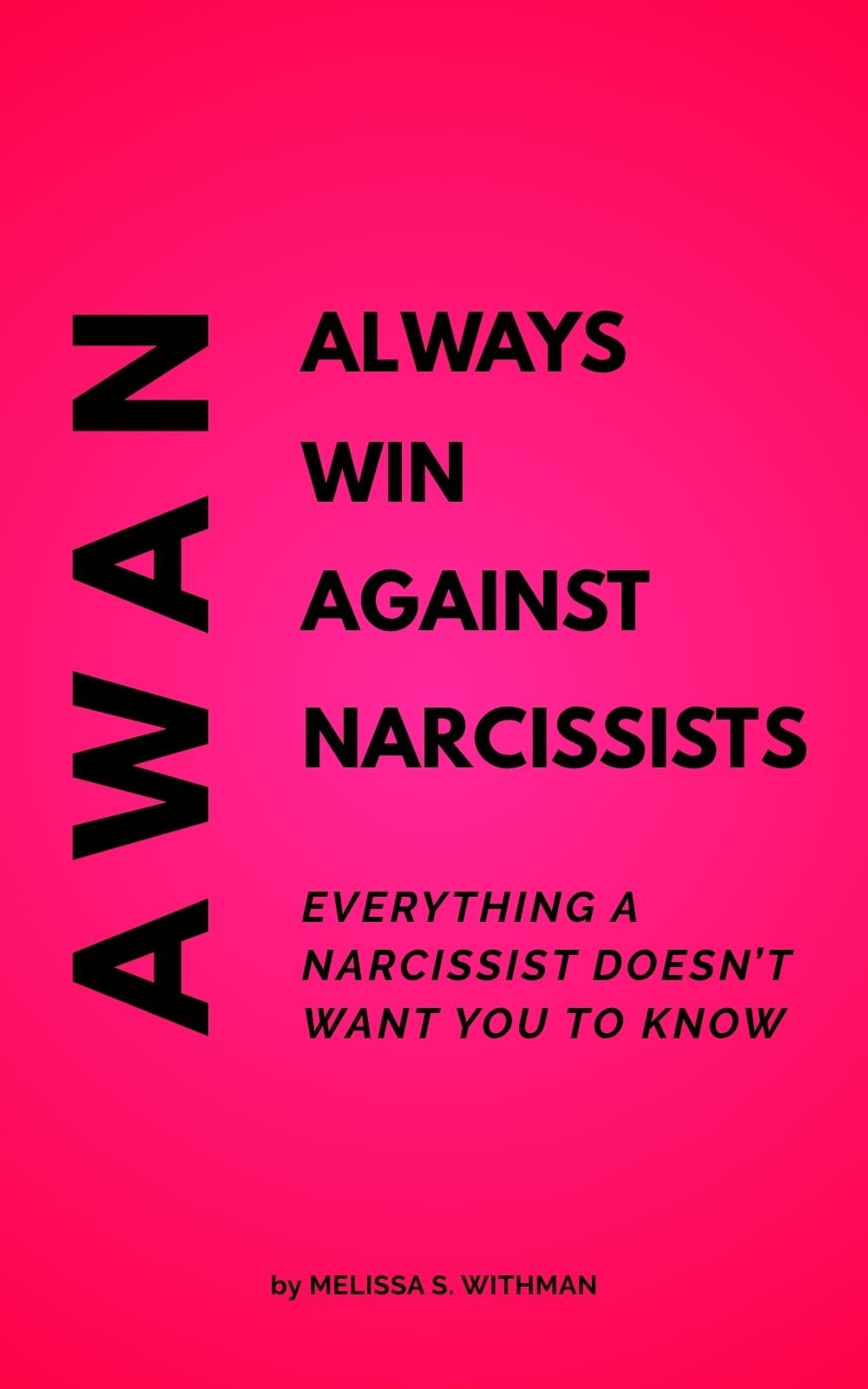
3. Don't give them the emotional reactions they're looking for
Some manipulative people deliberately provoke emotional reactions because those reactions give them an advantage.
They make insulting comments, question your intelligence, accuse you of ridiculous things, or repeatedly interrupt you.
Then, when you finally become angry, they suddenly act calm.
"See? This is exactly what I'm talking about. You're impossible to communicate with."
And now your reaction has become the focus of the conversation.
When you recognize this pattern, practice responding differently.
Pause before answering. Keep your voice steady. Use short, neutral responses when appropriate.
You might say, "I'm not going to continue this conversation while you're insulting me."
Then disengage.
A manipulator who relies on provoking you may lose an important advantage when you stop giving them the reactions they were expecting.
This doesn't mean suppressing your emotions. It means choosing when, where, and with whom you express them.
4. Seek objective opinions from people you trust
One of the most damaging effects of prolonged manipulation is that you can gradually lose confidence in your own judgment.
You remember a conversation clearly, but the other person insists it never happened.
You feel hurt by something they said, but they convince you that you're being unreasonable.
Eventually, you start wondering whether you're interpreting everything incorrectly.
That's when an outside perspective becomes incredibly valuable.
Talk to someone trustworthy who isn't personally invested in defending the manipulator.
Explain what happened, including the relevant context, and ask for their perspective.
A therapist, counselor, trusted friend, or experienced professional may help you recognize patterns you've become too emotionally involved to see clearly.
An objective opinion can help you distinguish between a genuine misunderstanding and a repeated pattern of manipulation.
And remember, seeking another perspective doesn't mean you can't trust yourself. Sometimes it's precisely what helps you rebuild that trust.
5. Stop explaining yourself over and over again
Have you ever spent an entire evening trying to explain something to a person who seemed determined not to understand?
You clarify your intentions.
Give examples.
Repeat what you said.
Try different words.
And somehow, the conversation keeps returning to the same accusation.
This can become exhausting, especially when the other person continually twists your explanations or demands more justification.
Learn to recognize when you've already explained yourself clearly.
You can say, "I've explained my position, and I'm not going to keep repeating it."
Then stop.
You don't need to provide ten different explanations for a perfectly reasonable decision.
And you don't need someone else's agreement before you're allowed to have boundaries.
The moment you stop treating their approval as necessary, you become much harder to trap in endless conversations designed to wear you down.
6. Keep records of important conversations and agreements
Manipulative people may deny previous statements, change their stories, or insist that agreements were never made.
This becomes especially problematic when you're dealing with someone in a professional environment, a financial dispute, or a difficult separation.
For example, your manager gives you specific instructions.
You follow them.
Then, when something goes wrong, they claim they told you to do something completely different.
Without documentation, the situation can quickly become your word against theirs.
Whenever appropriate, confirm important information in writing.
Send a brief email summarizing an agreement.
Keep relevant messages.
Record dates and details of significant incidents in a private journal.
Written documentation helps you stay grounded in facts when someone repeatedly tries to rewrite what happened.
It can also be valuable if you eventually need professional, legal, or organizational support. Keep records securely and follow applicable privacy and recording laws.
7. Learn to say no without feeling guilty
A manipulative person may interpret your kindness as an opportunity to push your limits.
They ask for favors you don't have time for.
Pressure you to change your plans.
Expect you to accommodate their preferences.
And when you refuse, they accuse you of being selfish, ungrateful, or uncaring.
If you're someone who dislikes disappointing others, this can be particularly difficult.
But saying no is a skill you can develop.
Start with simple, direct statements.
"No, that doesn't work for me."
"I'm not available."
"I've already made my decision."
You don't need to invent an excuse or provide a lengthy explanation.
And if they respond with guilt or criticism, remind yourself that their disappointment doesn't automatically mean you've done something wrong.
A manipulator loses an important source of influence when they realize that making you feel guilty no longer guarantees your cooperation.
8. Pay attention to their actions instead of their promises
Some manipulative people are exceptionally convincing when they want another chance.
They apologize beautifully.
Promise to change.
Tell you they've finally understood how much they've hurt you.
And for a while, their behavior may even improve.
But then the same problems return.
They cross your boundaries, break promises, or repeat the behavior they swore would never happen again.
That's why it's important to evaluate people by their consistent actions rather than their most convincing words.
Ask yourself whether the behavior has genuinely changed over time.
Do they take responsibility without blaming you? Do they respect your boundaries even when doing so is inconvenient?
Someone who genuinely wants to change demonstrates that commitment through consistent behavior, not just emotional apologies.
You don't need to dismiss every apology.
But you need to stop treating promises as proof that the problem has been resolved.
9. Don't reveal every decision or strategy in advance
When dealing with a manipulative person, you may feel compelled to explain every decision before making it.
You tell them you're considering setting stronger boundaries.
You explain that you're planning to become more financially independent.
You reveal exactly how you intend to handle a difficult situation.
But if that person has repeatedly interfered with your decisions, sharing your plans too early may give them opportunities to pressure or discourage you.
Sometimes, it's wiser to make arrangements privately.
Seek advice before discussing sensitive decisions.
Gather the information you need.
And share only what is necessary, when it's appropriate and safe.
This is particularly important if you're preparing to leave a controlling relationship or protect yourself from financial manipulation.
You don't owe someone advance notice of every step you're taking to protect your independence and well-being.
Being discreet isn't about deceiving people, but protecting decisions that someone has repeatedly tried to undermine.
10. Know when to disengage and limit their access to your life
Sometimes, the most effective way to deal with a manipulative person is to stop giving them unlimited access to you.
You can learn every communication technique, recognize every manipulation tactic, and establish the clearest boundaries imaginable.
But if someone remains determined to mistreat you, those skills may not be enough to create a healthy relationship.
That's when distance becomes important.
Perhaps you stop answering unnecessary messages.
Limit conversations to practical matters.
Avoid spending time alone with them.
Or decide to end the relationship entirely.
If you must remain in contact because of children, work, or family responsibilities, keep interactions structured and focused on necessary subjects.
You don't have to remain endlessly available to someone who repeatedly uses that access to hurt, manipulate, or exhaust you.
And if the person is threatening, intimidating, or physically dangerous, prioritize safety and seek appropriate support rather than trying to confront them alone.
Final thoughts
Dealing with narcissists and highly manipulative people can be mentally exhausting, especially when you've spent a long time trying to reason with someone who keeps twisting your words and questioning your reality.
But there's something important I've learned: you don't need to become better at playing their games. You need to become better at recognizing when someone is trying to pull you into one.
Stick to the facts. Trust your judgment. Protect your personal information. Ask for outside perspectives when you need them.
And most importantly, stop believing that you have to explain yourself perfectly before someone is required to treat you with respect.
Not every disagreement is manipulation, and not every difficult person is a narcissist. What matters is recognizing repeated patterns of dishonesty, pressure, and disrespect.
You cannot control whether another person chooses to behave honestly or respectfully.
But you can control how much access they have to your time, energy, and personal life.
And the more confident you become in protecting those things, the harder it becomes for anyone to use manipulation to control you.